 MyRSO Login
In any healthcare or aged care environment, things don’t always go as planned. A patient fall, a medication error, an equipment malfunction, incidents and near-misses are part of daily operations.
What sets high-performing organisations apart is how they respond to and learn from these events. Traditionally, incident reports were often written on paper or stored in spreadsheets, making follow-up inconsistent and trend analysis nearly impossible.
Dosel changes that with an integrated incident and risk register. Our platform provides a consistent, accessible way to log every incident and identified risk, while ensuring improvement actions are followed through to completion.
Early incident logging
When an incident occurs, team members can enter the details into Dosel through a simple, guided form. It will capture key information like date/time, location, people involved, a description of what happened, and immediate actions taken. There’s no confusion about what to document; the structured form ensures all the necessary data is collected.
Users can also attach relevant files or photos if needed. Once submitted, the incident is logged in the system, and relevant managers or safety officers can be automatically notified according to your escalation rules.
Investigation and follow up
Logging an incident is the first step. Dosel helps you manage the entire event lifecycle. Each incident entry includes a space to record investigation findings, root cause analysis, and planned corrective actions. As those action items are implemented, such as retraining staff, fixing faulty equipment, and updating a procedure, the team can update the incident record and mark actions as completed.
This creates a clear audit trail that shows how the organisation addressed the issue. We recognise that this information is invaluable for internal learning and demonstrating compliance to regulators. The system can even prompt reminders for pending actions.
Risk prevention register
Complimenting the risk register, Dosel includes a risk register tool for tracking potential issues before they happen. Teams can log identified risks, for example, noticing a hallway is dimly lit or that a backup generator test is overdue. For each risk, you can assess its likelihood and impact, assign it an owner, and outline mitigation plans.
As you implement fixes, you can update each risk’s status, for example, mark it as mitigated after the lighting is upgraded. The risk register fosters a proactive safety culture, ensuring that recognised hazards are formally tracked and managed.
Analyse trends
With all incidents and risks recorded in one system, Dosel enables the analysis of trends and the generation of reports. You may discover patterns, such as a particular ward having a higher frequency of falls at night, or a type of equipment failing repeatedly. The platform can generate charts and summaries by category, location, severity, and other criteria.
These insights enable your quality and safety committees to focus on areas that need attention and measure the effectiveness of interventions. During audits or accreditation reviews, you can produce an incident log and risk register report to demonstrate your organisation’s safety management process. Surveyors will see that your organisation documents issues and actively uses that information to drive improvements.

Dosel is the compliance and accreditation specialist.
Dosel’s incident and risk registers turn paperwork into a structured, actionable system. The result is a safer environment for patients, residents, and staff.
Contact us today for more information or a confidential consultation on how we can help your organisation progress and stay compliant with confidence.
Comprehensive and intuitive compliance solutions for the medical and allied health sector
Customised for hospitals, clinics, diagnostic imaging centres, dental practices and aged care facilities. Dosel offers the only comprehensive platform that simplifies regulatory paperwork, tracks critical data like radiation dose, and helps your organisation meet industry standards efficiently and safely. Our interactive software platform and consulting services, developed in conjunction with The Ottawa Hospital, Canada’s leading teaching hospital, are tailored for busy single and multi-site healthcare facilities.

Public and private hospitals and clinics in Australia are required to maintain accreditation under the National Safety & Quality Health Service (NSQHS) Standards.
Hospitals and
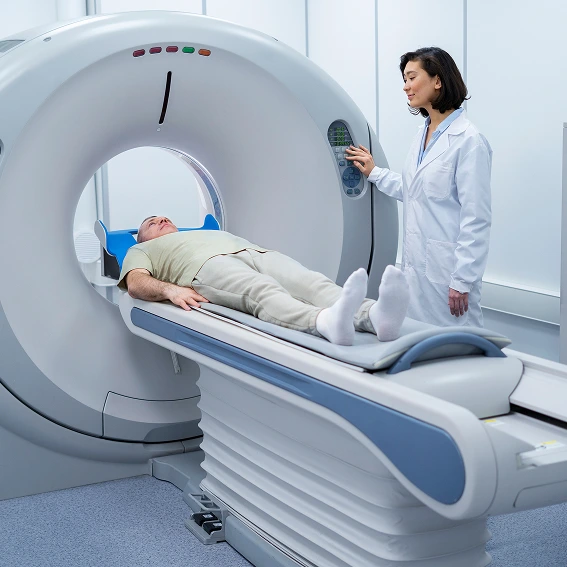
Diagnostic imaging centres, radiology practices, and nuclear medicine facilities in Australia and internationally face strict radiation licencing regulations, equipment quality assurance, and staff dose monitoring.
Imaging and Nuclear Medicine

While a dental clinic may be smaller in scale compared to a major hospital, it still faces compliance obligations. Public dental services are required to meet many of the same NSQHS standards as hospitals.
General Dentists and Surgeons

The aged care sector in Australia and abroad is highly regulated. Nursing homes and aged care facilities must comply with the Aged Care Quality Standards, which cover everything from clinical care to residents’ rights.
Aged Care Nursing and Facilities
“My RSO allows me to find the information I need in minutes – and be confident in its accuracy. We now have a reliable system in place for inventory management, licensing and overall compliance purposes. We can stay on top of our regulatory requirements and avoid any potential financial or reputational risk.”
Tony Goldstone, Licensing and Capital Asset Manager, Greencross Vets
“Dosel’s MyRSO is an essential quality management tool that is been part of our daily oversight and our operational/strategic framework which not only streamlines our legislative requirements but reduces the cost and minimises our risk.”