 MyRSO Login
For facilities that work with ionising radiation, keeping track of personnel exposure is more than a regulatory requirement.
Traditionally, radiation dose monitoring has involved reading monthly dosimeter reports or quarterly summaries, which means that potential issues, such as a team member receiving an unusually high dose, might not be detected for weeks. Dosel transforms dose monitoring into a real-time, proactive process.
Our dose monitoring module continuously tracks exposure levels for your team and key work areas, and immediately alerts you to any readings or trends that warrant attention.This ensures that you maintain compliance with dose limits and ALARA principles, and protects your team’s health on the job.
Automatic dose data collection
Dosel integrates with your dosimetry service or can be updated with dose readings as they become available. Each radiation worker in your facility, including radiographers, radiologists, and lab technicians, has a profile in the system where their badge readings or dose measurements are logged. Instead of antiquated paper reports, you’ll see each person’s cumulative dose for the monitoring period at a glance. The platform supports setting threshold levels.
For instance, if an individual’s dose exceeds a certain percentage of the quarterly or annual limit, the system can flag it or send an instant alert to the Radiation Safety Officer and management. This automation mitigates delayed reactions, allowing you to investigate and intervene as soon as a high exposure is detected.
Trend analysis and reporting
Dosel’s dose monitoring and alerts module helps analyse dose data over time. You can view graphs and reports of dose accumulation by person, by team, or by department, and spot if any workflow or equipment is consistently leading to higher exposures. Such insights are valuable for optimising work practices. The module helps generate the required regulatory reports.
For example, annual dose summaries for all monitored team members, or records to submit to a radiation protection authority if required in your region. All data is securely stored, providing a comprehensive history of exposure for each team member that can be easily accessed during compliance audits or health reviews.
Supporting a culture of safety
The significant benefit of real-time dose monitoring is the culture shift it enables. When team members know that exposures are being actively tracked and that unusual doses will prompt timely review, it reinforces the importance of safe work practices. Dosel’s approach is not about penalising, it’s about awareness and prevention.
Our alerts and dashboards open up conversations: “Why did we get a higher reading this month? What can we do to reduce it?” By addressing those questions, your team can collaboratively find ways to reduce exposure. Over time, this leads to continuous improvement in keeping doses as low as reasonably achievable.

Dosel is the compliance and accreditation specialist.
Dosel’s radiation dose monitoring and alert system brings peace of mind to management and frontline team members.
It ensures compliance with dose limits without tedious manual tracking, while safeguarding the well-being of the team members.
If you’re ready to upgrade to proactive dose management, contact us to learn more about implementing Dosel’s monitoring solution in your organisation.
Comprehensive and intuitive compliance solutions for the medical and allied health sector
Customised for hospitals, clinics, diagnostic imaging centres, dental practices and aged care facilities. Dosel offers the only comprehensive platform that simplifies regulatory paperwork, tracks critical data like radiation dose, and helps your organisation meet industry standards efficiently and safely. Our interactive software platform and consulting services, developed in conjunction with The Ottawa Hospital, Canada’s leading teaching hospital, are tailored for busy single and multi-site healthcare facilities.

Public and private hospitals and clinics in Australia are required to maintain accreditation under the National Safety & Quality Health Service (NSQHS) Standards.
Hospitals and
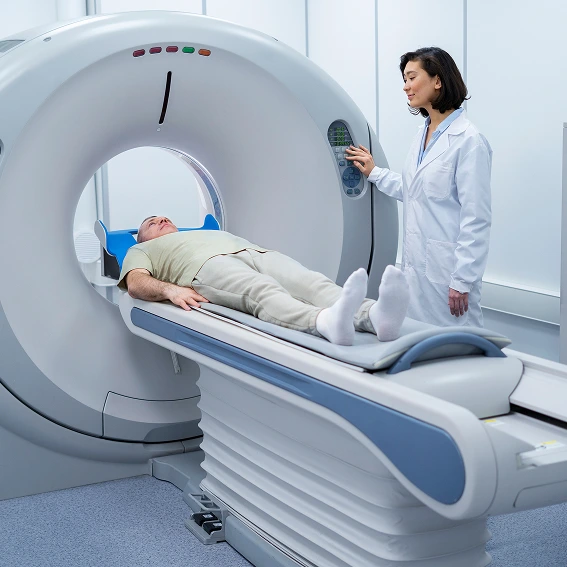
Diagnostic imaging centres, radiology practices, and nuclear medicine facilities in Australia and internationally face strict radiation licencing regulations, equipment quality assurance, and staff dose monitoring.
Imaging and Nuclear Medicine

While a dental clinic may be smaller in scale compared to a major hospital, it still faces compliance obligations. Public dental services are required to meet many of the same NSQHS standards as hospitals.
General Dentists and Surgeons

The aged care sector in Australia and abroad is highly regulated. Nursing homes and aged care facilities must comply with the Aged Care Quality Standards, which cover everything from clinical care to residents’ rights.
Aged Care Nursing and Facilities
“My RSO allows me to find the information I need in minutes – and be confident in its accuracy. We now have a reliable system in place for inventory management, licensing and overall compliance purposes. We can stay on top of our regulatory requirements and avoid any potential financial or reputational risk.”
Tony Goldstone, Licensing and Capital Asset Manager, Greencross Vets
“Dosel’s MyRSO is an essential quality management tool that is been part of our daily oversight and our operational/strategic framework which not only streamlines our legislative requirements but reduces the cost and minimises our risk.”